Panels
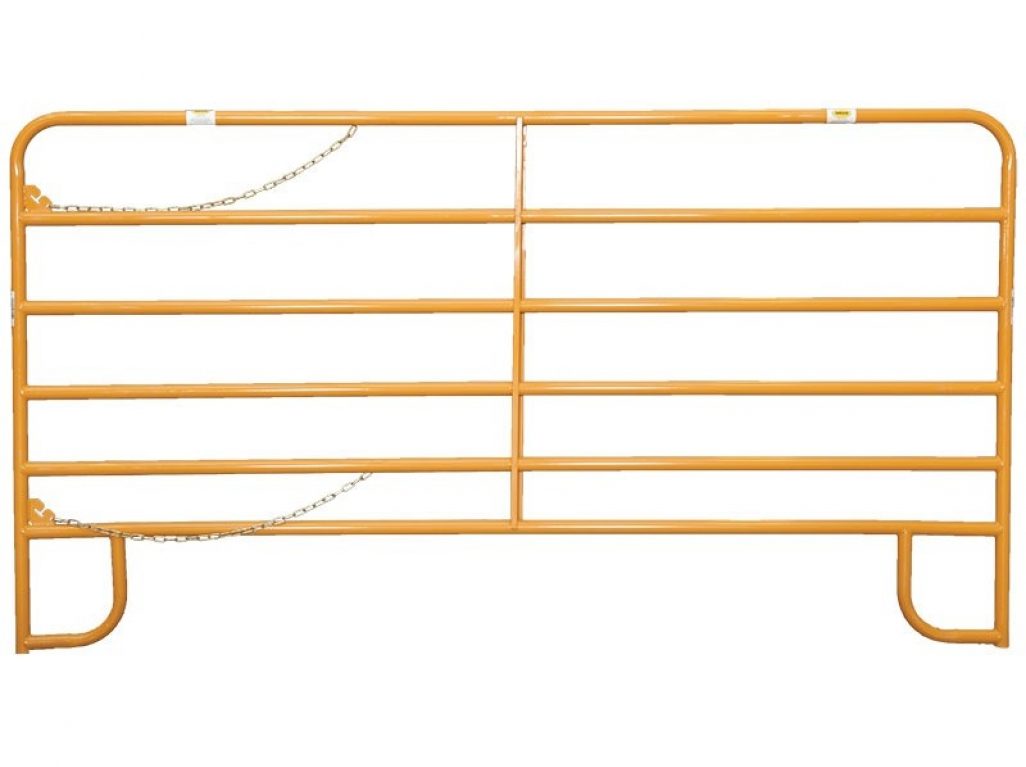
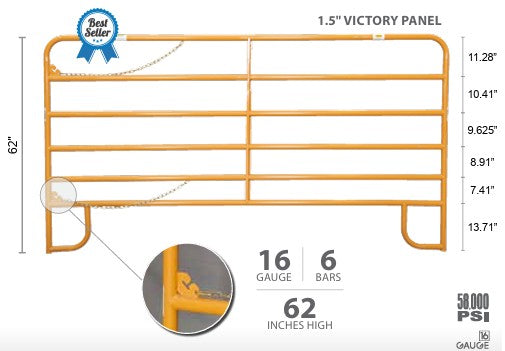
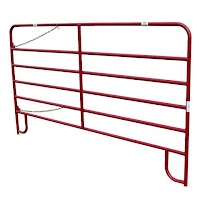
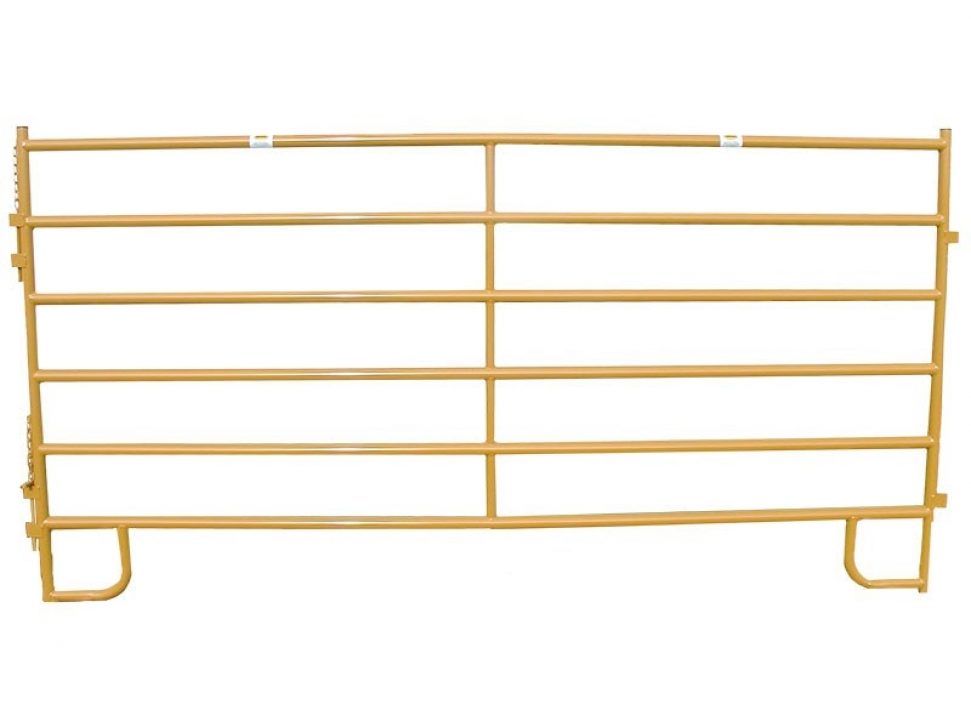
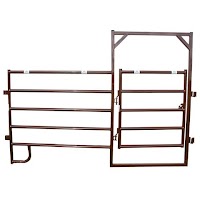
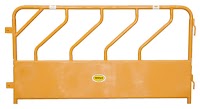
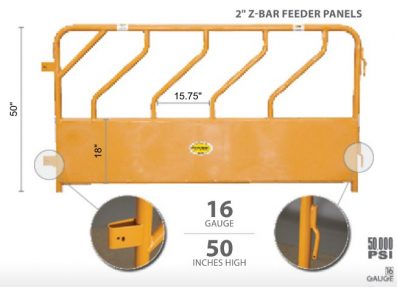
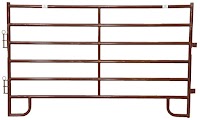
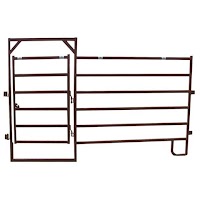
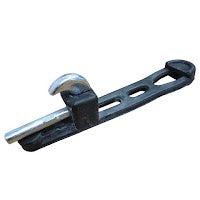
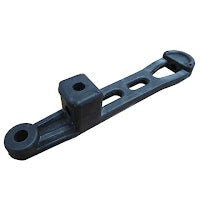
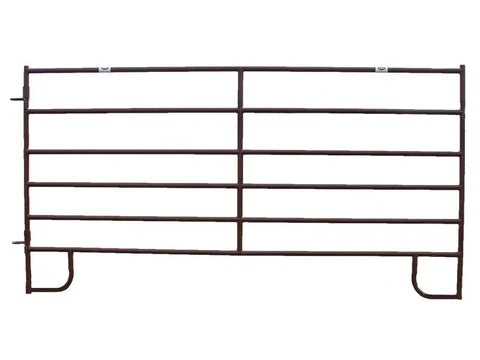
Livestock Panels for Corral, Range, and Pen Systems
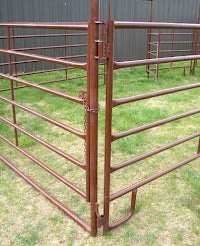
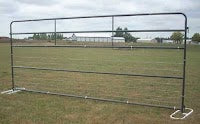
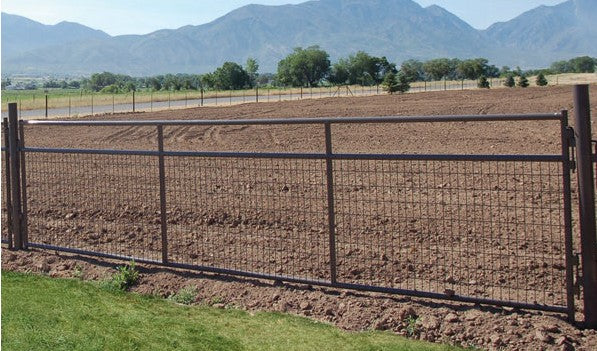
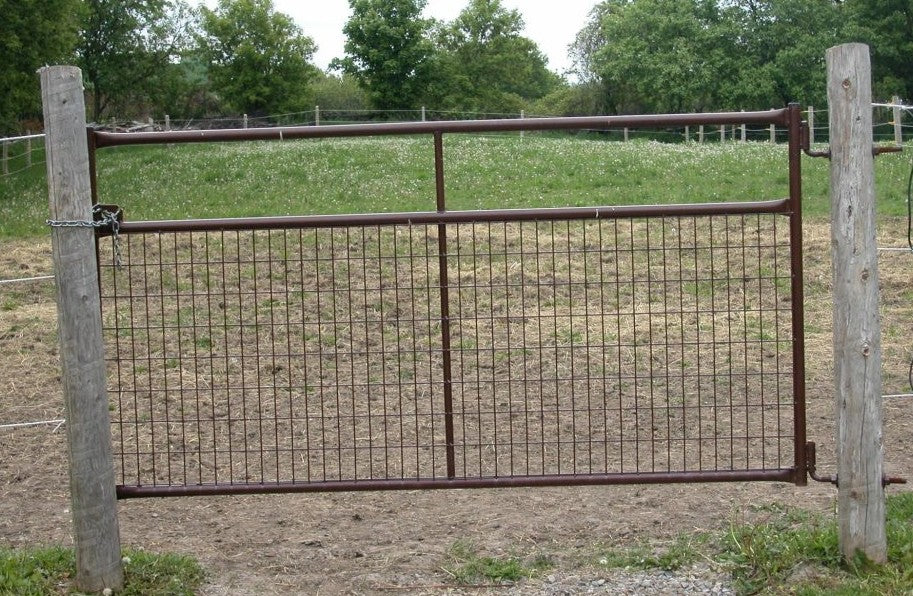
Our livestock panels are built for durability, flexibility, and safety—ideal for corral systems, round pens, handling alleys, sorting pens, and modular livestock enclosures. Whether you’re working with cattle, horses, goats, or sheep, these panels give you the structure you need without compromise.
Uses & Applications
- Corral and holding pens: Create secure zones for sorting, vaccination, or loading livestock.
- Round or working pens: Easily assemble circular handling systems by combining standard panels.
- Temporary or permanent paddocks: Use panels as movable fence sections or fixed perimeter barriers.
- Stall dividers & modular layouts: Configure pens inside barns or shelters for livestock flexibility.
- Sorting and alleyways: Guide animals through controlled paths when sorting, weighing, or treating.
How Livestock Panels Improve Efficiency & Safety
Using high-quality livestock panels brings multiple advantages to your farm or ranch operations. Here’s how:
- Quick setup & reconfiguration: Panels interlock or bolt together, letting you change layouts in minutes, without permanent construction.
- Durable materials: Powder-coated steel, strong tubing, and solid welds resist rust, bending, and wear—delivering long life in rugged conditions.
- Animal safety: Smooth tubing, rounded edges, and proper spacing reduce the risk of injury, catching, or bruising during confinement or movement.
- Better flow control: Panel systems help you funnel animals, manage traffic during sorting, and avoid congestion in tight spaces.
- Portability: Because panels are modular, you can relocate or expand your handling system as your herd grows or your needs change.
- Cost-effective vs permanent fencing: You get strong containment without the expense and permanence of concrete or wood fencing.
Key Benefits for Livestock Owners
Here are the top reasons ranchers, farmers, and livestock managers choose quality livestock panels:
- Safety first: Protect your animals and handlers with secure, predictable enclosures.
- Scalable design: Start small, grow your handling system, or reconfigure based on herd movement.
- Low maintenance: Minimal upkeep required—occasional cleaning and inspection is all that’s needed.
- Better animal performance: Reducing stress from poorly designed confinement or crowding helps animal health and behavior.
- Resale and flexibility: Modular panels maintain value and are easier to sell or repurpose than fixed systems.
Shop by Panel Length, Height & Configuration
We supply a wide range of panel options—from compact 4-foot panels to heavy-duty 16-foot long units—with varying heights to suit different species and handling needs. Mix and match panels to build round pens, alleyways, holding areas, or full modular barns.
Tip: To size a round pen, multiply your desired diameter by 3.14 (π) to get the circumference, then divide by the panel length you plan to use. This gives you the number of panels needed for a full loop.
Livestock Panel Keywords (SEO Focus)
Livestock panels, corral panels, range panels, cattle panels, modular livestock fencing, stock panels, handling systems, farm panels, steel livestock panels, pen systems.
Corral Panels and Range Panels
Corral panels have many uses and are used to contain and keep your livestock safe and calm.
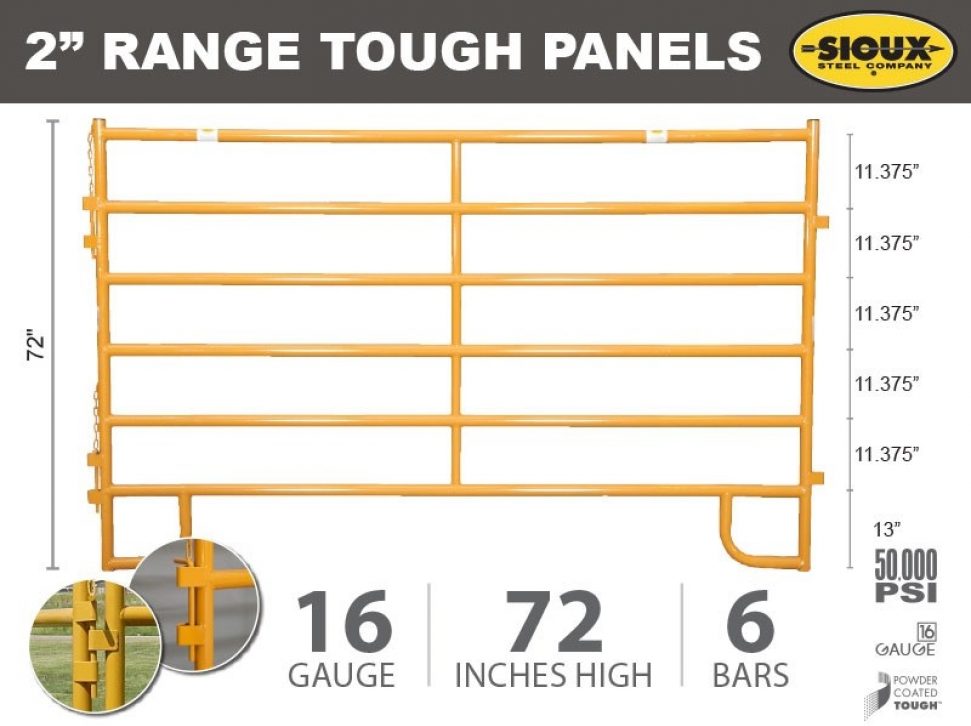
The multi-purpose use of range panels allows them to be used as round pens, square pens, and even multi-use stall configurations. These livestock panels are available in lengths as short as 4' and up to 16'. The Sioux Steel panels are powder-coated for toughness and durability. The tall range panels are 63" in height, the 2" diameter Hi-Country panels are 60" tall, and the Maverick are 1.66" in diameter and 64" in height.
How to Calculate Your Round Pen:
To calculate the number of panels needed, multiply the desired diameter by 3.14.
This will determine the circumference. Divide the circumference by the length of the panels being used. This will equal the number of panels needed.
| Diameter Of Holding Pen | ||||||||||||||
| Panel Length | ||||||||||||||
| 6 | 8 | 9 | 11 | 13 | 14 | 16 | 17 | 19 | 20 | 22 | 24 | 25 | 27 | |
| 5 | 7 | 8 | 9 | 10 | 12 | 13 | 14 | 15 | 16 | 18 | 20 | 21 | 22 | |
| 4 | 5 | 6 | 7 | 8 | 9 | 10 | 11 | 12 | 13 | 14 | 15 | 16 | 17 | |
Circumference: The distance around the circle
Diameter: Straight line passing through the center of the circle.