
Need a Shipping Total?
SEE ALL OF OUR HAY TARPS
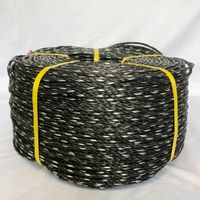
Hay Tarp Rope with UV Protection
This is the same heavy-duty rope that's included and already attached to the 17 mil heavy-duty Performer Hay Tarp. If you're getting a 16 mil Bull Flex Hay Tarp, this is the rope used in the tie-down kits sold with that tarp. It's very versatile, tough, and is designed to be used outside year-round!
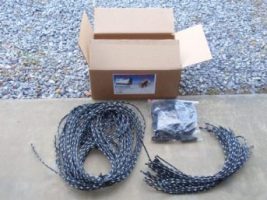
Picture of the Hay Tarp Tie-down Kit Components
Round bale tie-down ropes
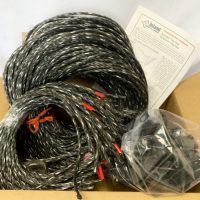
How to tighten the hay tarp ropes
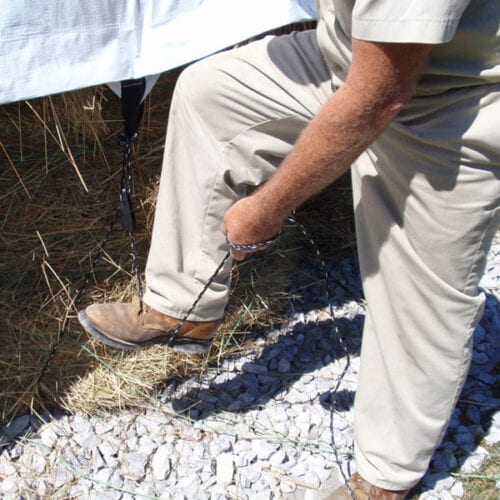
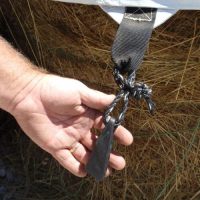
Cinch is installed on the tarp
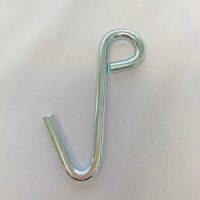
Hay Tarp Hook
Benefits of a strong tie-down for your hay cover
To preserve and protect your hay investment, a strong, durable, and long-lasting tie-down system is a must. A hay cover flapping in the wind will only destroy itself and your coveted hay over time. With the proper securing, you can keep your hay fresh and protected from Mother Nature year-round. The cinches are easily installed and adjustable if needed. See the picture above of how to use your foot to get a really strong and secure tie-down in the cinch. Removal is as easy as pulling the rope up and out of the cleat clamp. No-slip knots that can shake loose in the wind are used, and no ratchets or tools are needed for a secure fit.
These kits contain ropes that are UV-stable and rot-resistant to keep a strong hold no matter the conditions. Strong winds, rain, and snow won't be able to get the tarp loose and exposed, so your hay stays protected.
How to tie down your hay tarp
Grip the cinch with your hand and thumb. Pull the top of the knot back and pull the rope up. Then slide the cinch up the rope to a position just above your head. Fasten the J-hook to the bottom bail string on the end of the hay bale with the horizontal twine near the top of the bale where the twine runs vertically. Be careful not to use a baler twine smaller than wire replacement 210-knot strength. If you have lighter-weight twine, you can use either strap assemblies with d-rings or an anchor stake kit.
Put the rope in the back of the cinch and tie a knot in the rope to keep the hook from sliding off the cinch. Pull the rope through the cinch and use all your body weight to tighten the rope. Push the rope back into the cinch to lock it into place. If the cinch is too close to the j-hook, loosen the rope and move the cinch up. If you are careful to position the cinch at least two feet above the hook to start with, re-tightening will be quick and easy.
Test the rope about two feet above the cinch. It should twang like a guitar string when it is tight. If you're tying the rope to an underlayment strap assembly, then fasten the j-hook to the D-ring instead of the bale since the side curtain will cover the baling twine. Always tighten every rope and then go around and tighten them all again. Never leave the stack partially tied down for any reason. A loose tarp can be a danger to power lines, people, animals, or property. You should check and retighten your tarp about once a month and whenever hay is removed.
A warning: Never use bungee cords or rubber ropes to tie down a hay tarp because they allow the tarp to rub up and down, wearing the tarp on the hay. A tight tarp will last for years when properly secured with these tie-down kits.