

Need a Shipping Total?
SEE ALL OF OUR HAY TARPS
Tarp Repair Tape – The Ultimate Solution for Durable, Long-Lasting Tarp Fixes
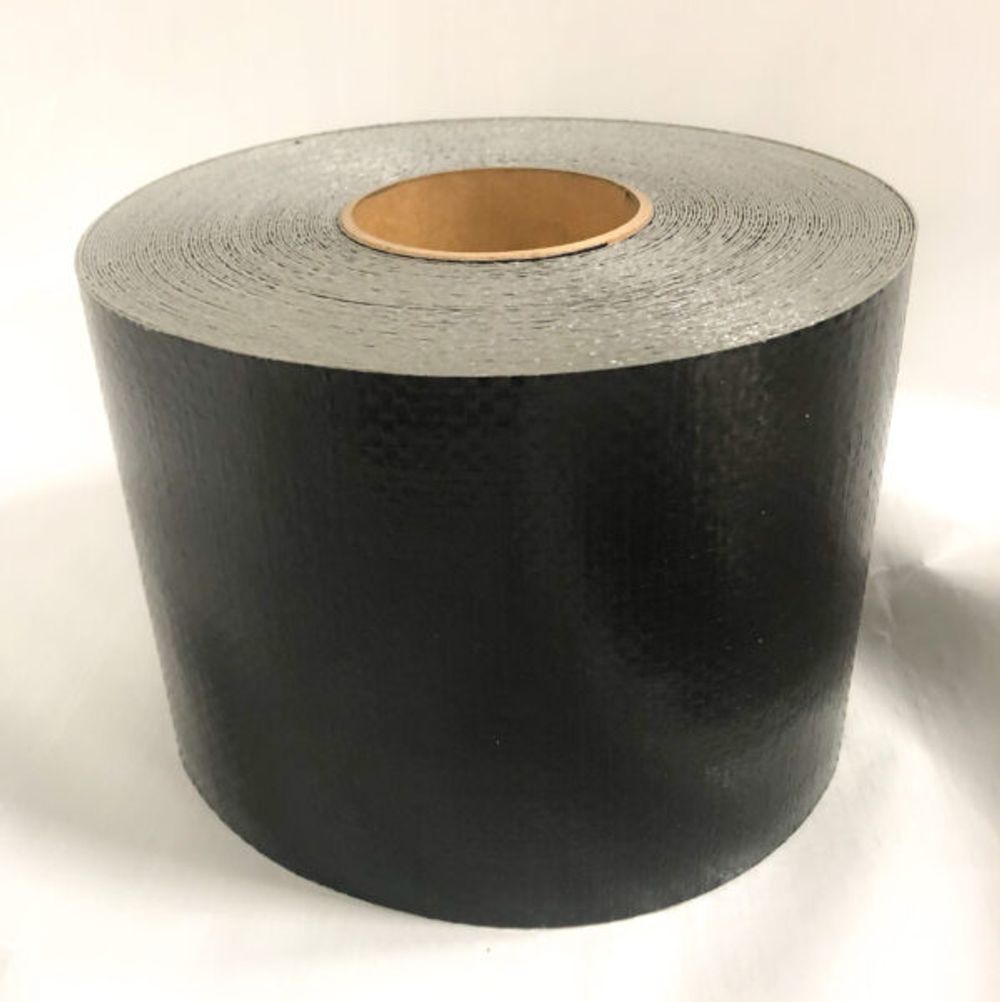
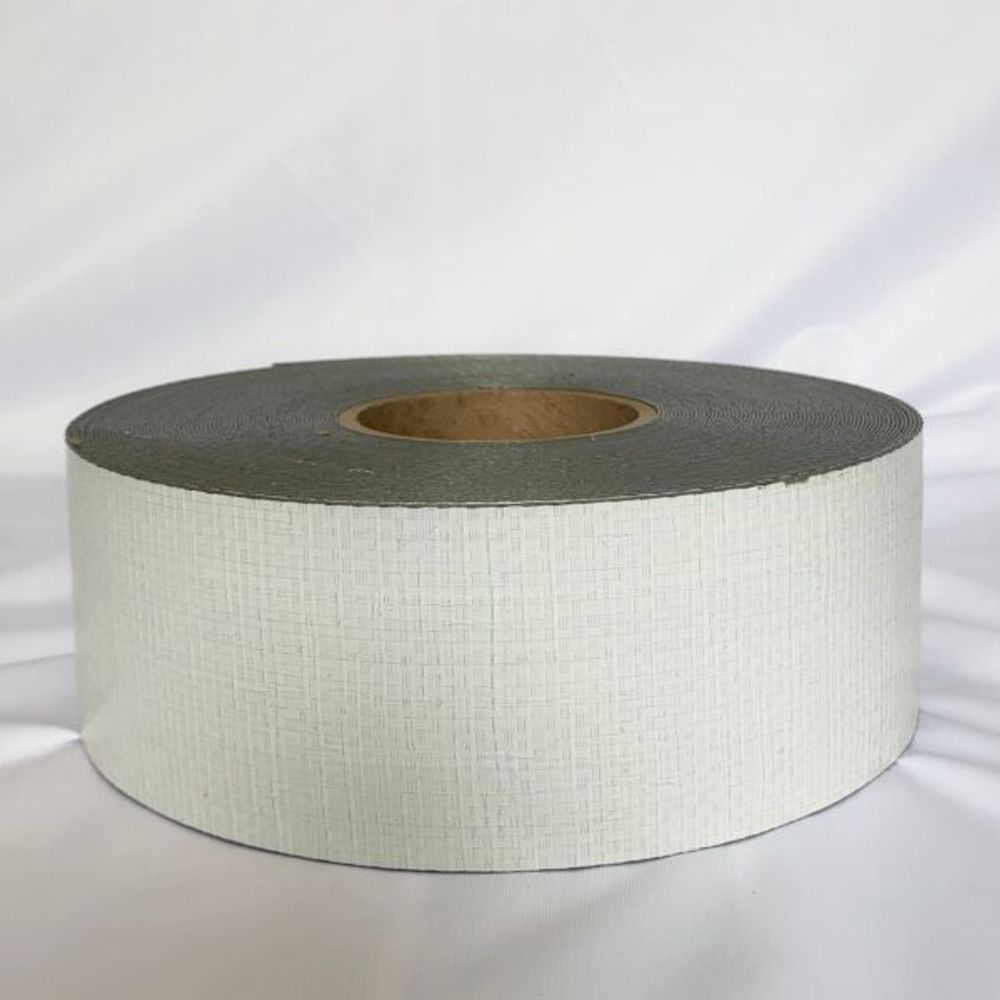
This is not duct tape! Our heavy-duty repair tape is crafted from durable woven hay tarp fabric combined with a powerful adhesive. It’s designed for quick and easy repairs of common rips and tears, providing a long-lasting bond that is tough to remove once applied. An essential tool for any repair kit, this tape ensures your hay tarps perform at their best for the long haul.
When it comes to repairing hay tarps, don't settle for anything less than our heavy-duty Tarp Repair Tape. Unlike regular duct tape, this specialized repair tool is designed specifically for the unique demands of hay tarp maintenance. Made from woven hay tarp fabric and mixed with the highest quality adhesive, this tape offers unmatched durability and performance. It’s an essential part of any repair kit, allowing you to address rips and tears quickly and easily.
Our Tarp Repair Tape is not only quick and simple to apply, but it also adheres securely, making it incredibly difficult to remove once in place. This ensures your tarp stays sealed and protected, even in tough conditions. Perfect for Inland Tarp & Liner® products, this tape is trusted by tarp leasing companies, professional hay producers, and exporters worldwide. Available in white, silver, and black, it’s the go-to solution for long-term tarp repair.
Why Preventing Even a Small Tear in Your Tarp is Essential
A small tear in your tarp might seem like a minor issue, but it can quickly become a major problem if left unattended. When exposed to wind, even the slightest tear can expand, causing further damage and reducing the tarp's effectiveness. A damaged tarp can no longer provide the crucial protection your hay needs from the elements, such as rain, snow, and strong winds, which can cause hay to spoil or degrade. This leads to a loss of quality and significant financial loss, making it essential to repair any damage immediately to maintain your tarp's integrity.
Safety Hazards of an Unattended Tear
Not only can a torn tarp affect the quality of your stored hay, but it can also present a safety hazard. If left unchecked, sharp edges on the torn tarp could cause injury to workers or animals, and in high winds, an unsecured tarp can become a dangerous flying hazard. By using our Tarp Repair Tape, you can quickly seal the tear, restoring safety to your storage area and preventing further damage or risks.
Easy to Use – Quick, Reliable Repairs
One of the greatest advantages of our Tarp Repair Tape is how easy it is to use. Simply peel off the backing, press the tape firmly over the tear, and you’re done! The tape bonds instantly, providing a strong, durable repair that can withstand the elements. Whether you need to repair a small puncture or a larger tear, our Tarp Repair Tape makes the process quick and hassle-free, minimizing downtime and ensuring your hay stays protected.
Other Benefits of a Sealed Cover for Storing Hay
In addition to protecting your hay from the elements, a sealed tarp cover helps maintain the quality and nutritional value of your hay. When properly covered, hay is shielded from moisture, which can lead to mold and mildew, both of which can ruin hay and make it unsafe for consumption. A well-maintained tarp also prevents sun exposure, which can degrade the quality of hay, leading to nutrient loss. By using Tarp Repair Tape, you ensure that your hay remains dry, fresh, and ready for use, maximizing its shelf life and value.
Key Features:
- Heavy-duty adhesive designed specifically for tarp repairs
- Made from woven hay tarp fabric for superior durability
- Available in white, silver, and black
- Easy peel-off application for quick repairs
- Strong bond that is difficult to remove once adhered
- Perfect for Inland Tarp & Liner® products and other tarps
- Ideal for professional hay producers, tarp leasing companies, and exporters
Ensure your hay tarps stay in top condition with our high-quality Tarp Repair Tape. Protect your investment, improve safety, and extend the life of your tarps with this essential repair tool.
Tips on Keeping your Hay Tarps Tight
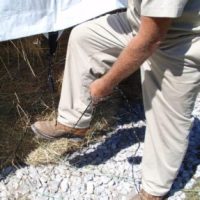
Cinch installed on the tarp
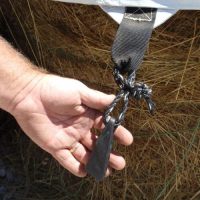
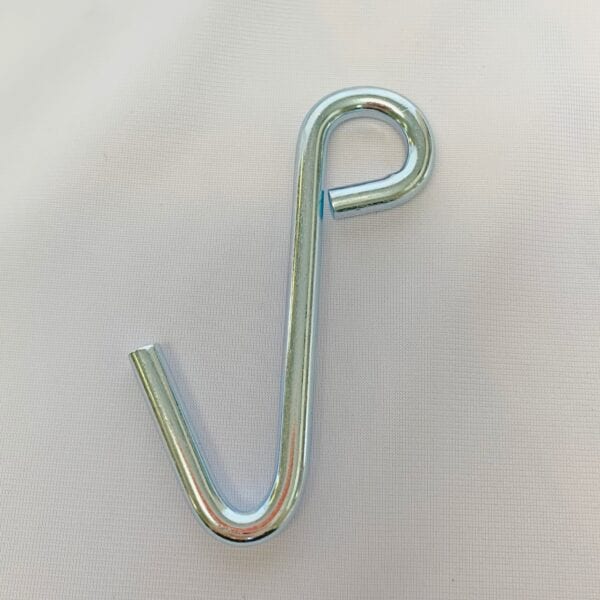
Hay Tarp Hook
Benefits of a strong tie-down for your hay cover
To preserve and protect your hay investment, a strong, durable, and long-lasting tie-down system is a must. A hay cover flapping in the wind will only destroy itself and your coveted hay over time. With the proper securing, you can keep your hay fresh and protected from Mother Nature year-round. The cinches are easily installed and adjustable if needed. See the picture above of how to use your foot to get a really strong and secure tie-down in the cinch. Removal is as easy as pulling the rope up and out of the cleat clamp. No-slip knots that can shake loose in the wind are used and no ratchets or tools are needed for a secure fit.
These kits contain ropes that are UV-stable and rot-resistant to keep a strong hold no matter the conditions. Strong winds, rain, and snow won't be able to get the tarp loose and exposed so your hay stays protected.
How to tie down your hay tarp
Grip the cinch with your hand and thumb. Pull the top of the knot back and pull the rope up. Then slide the cinch up the rope to a position just above your head. Fasten the j-hook to the bottom bail string on the end of the hay bale with the horizontal twine near the top of the bale where the twine runs vertically. Be careful not to use a baler twine smaller than wire replacement 210-knot strength. If you have lighter-weight twine, you can use either strap assemblies with d-rings or an anchor stake kit.
Put the rope in the back of the cinch and tie a not in the rope to keep the hook from sliding off the cinch. Pull the rope through the cinch and use all your body weight to tighten the rope. Push the rope back into the cinch to lock it into place. If the cinch is too close to the j-hook, loosen the rope and move the cinch up. If you are careful to position the cinch at least two feet above the hook to start with, re-tightening will be quick and easy.
Test the rope about two feet above the cinch. It should twang like a guitar string when it is tight. If you're tying the rope to an underlayment strap assembly, then fasten the j-hook to the D-ring instead of the bale since the side curtain will cover the baling twine. Always tighten every rope and then go around and tighten them all again. Never leave the stack partially tied down for any reason. A loose tarp can be a danger to power lines, people, animals, or property. You should check and retighten your tarp about once a month and whenever hay is removed.
A warning: Never use bungee cords or rubber ropes to tie down a hay tarp because they allow the tarp to rub up and down, wearing the tarp on the hay. A tight tarp will last for years when properly secure with these tie-down kits.